Rummy Opening Hands: A Three-Minute Sorting Routine
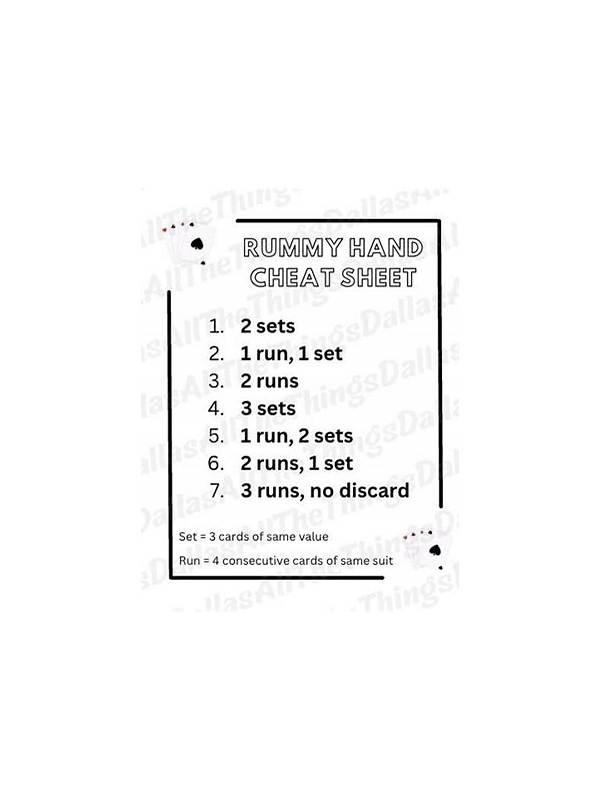
The first few moments of a rummy hand often feel busy because every card appears equally important. A simple sorting routine can turn that uncertainty into a readable plan. The goal is not to predict the whole hand. It is to identify relationships, protect legal requirements, and leave yourself several reasonable next moves.
Begin by grouping cards by suit, then arrange each group from low to high. This makes near sequences visible immediately. Put identical ranks in a separate mental category, because a pair or triplet can become a set but may also serve as a useful connector in another plan. If jokers are involved, keep them visible rather than hiding them inside a provisional meld.
Next, mark the strongest structure. A completed pure sequence deserves priority because it satisfies an important condition in many Indian rummy formats. A near sequence with two consecutive cards is also valuable, especially when a third card can arrive from more than one direction. A single high card with no clear connection should not automatically be discarded, but it should be questioned first because it can create a large penalty if the hand ends quickly.
The third step is to identify two possible homes for each flexible card. An eight of hearts might connect to a seven or nine of hearts, while a pair of eights might become a set. Cards with several routes deserve time. Cards with only one unlikely route should be treated cautiously. This does not mean chasing every possibility; it means comparing flexibility before committing.
Finally, choose a provisional discard and ask what information it gives away. Avoid discarding a card that obviously completes a visible sequence for another player if a similarly expensive card is available. Then reassess after each draw. The opening plan is a starting point, not a promise.
This routine works because it separates observation from action. You see suits, ranks, legal structures, and flexibility before emotion pushes you toward a quick move. With practice, the process becomes almost automatic and leaves more attention for the changing discard pile.