
Rummy Safety: Check a Session’s Emotional Temperature
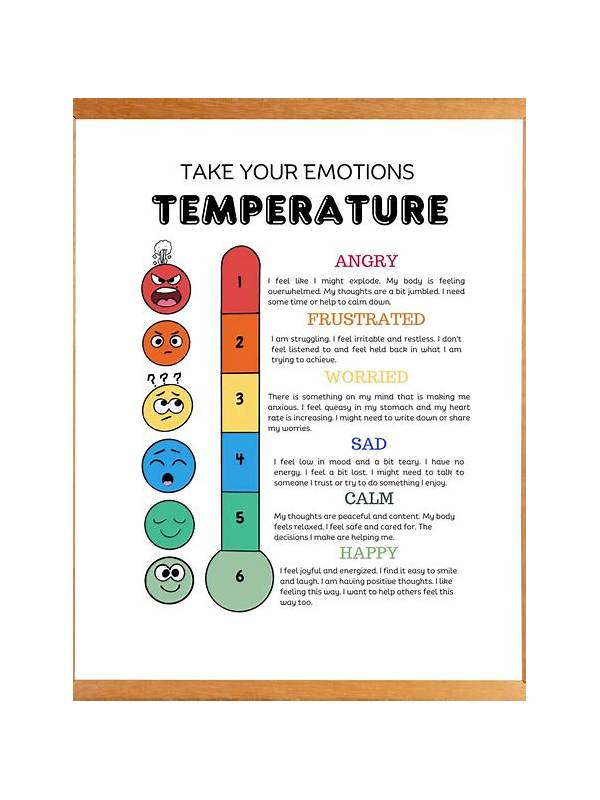
A session can change character before a player notices. A calm game may become tense after a surprising loss, a long sequence of close decisions, or repeated technical interruptions. Checking your emotional temperature is a practical safety habit because it helps you notice when choices are being driven by urgency rather than by the plan you set at the start.
Use a short three-part check before joining another table. First, identify your physical state: Are you tired, hungry, distracted, or uncomfortable? Second, identify your mental state: Are you curious and focused, or are you trying to prove something after an earlier result? Third, identify your behavior: Are you following your time and spending limits, or are you already looking for reasons to extend them? The answers do not judge you; they provide information.
During play, watch for changes such as rushing routine decisions, checking results repeatedly, ignoring a planned break, or feeling unusually angry at ordinary draws. These signs do not predict the outcome of a hand. They indicate that the quality of your attention may be changing. When several signs appear together, pause at a natural stopping point and step away from the screen.
Make the pause concrete. Set a timer, drink water, move to another room, or write down the next permitted session time. Avoid using the pause to analyze every hand or to decide how to recover a loss. The purpose is to restore distance. If the urge to continue remains strong after the pause, ending the session is the safer choice.
Responsible play also means respecting local rules, age requirements, and any platform limits that apply to you. Keep entertainment funds separate from essential expenses, and never treat a game as a way to solve financial pressure. A temperature check is most effective when paired with a predetermined time, spending, and stop rule. Those rules are easier to follow when they are written before emotions become intense.
If you play with other people, respect their boundaries as well. Do not pressure anyone to continue, increase a limit, or explain private circumstances. Mute or leave a table if communication becomes abusive. Safety includes the social setting, not only money or time. A calm exit is a successful decision whenever the session no longer feels recreational. For a useful review, describe the decision in neutral terms. State the cards you could see, the route you preferred, the cost of keeping it, and the point at which you would change direction. This keeps the lesson tied to available information rather than hindsight. It also makes the habit easier to repeat in a later session. A short, specific explanation is usually more valuable than a long account of the final result.


