Rummy Safety: Keep Verification Separate From Payment Decisions
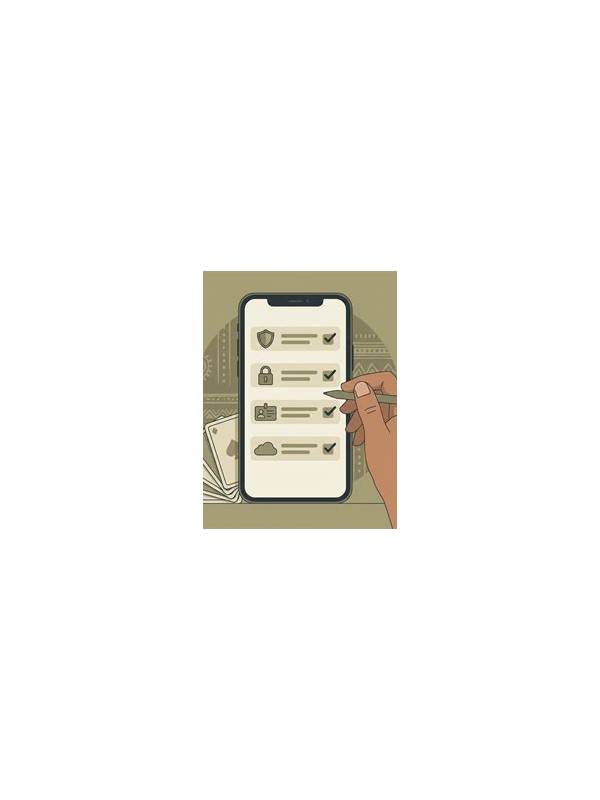
Account verification and payment decisions should be treated as different tasks. A request to confirm identity may be legitimate, but it should not automatically lead to a deposit, withdrawal, or transfer. Keeping the tasks separate gives you time to check the source and understand the terms.
Start from the official app or website entry point you already trust. Do not follow a payment link from an unexpected message, a chat user, or a pop-up that creates urgency. Look for the support or account section inside the service, and compare the wording of the request with the published help information. Small differences in names, addresses, or spelling deserve caution.
Before providing documents, inspect what is requested and why. A legitimate process should explain the purpose, accepted formats, and handling policy. Do not send more information than necessary. Never share passwords, one-time codes, or remote-access details with a person claiming to be support. If a request seems unusual, pause and contact support through a channel you opened independently.
For payment actions, confirm the amount, destination, fees, and status before approving. Read the final screen rather than relying on a message preview. Save a receipt or reference number in a private location. If a payment appears pending, do not repeat it simply because a notification has not arrived. Repeated attempts can create duplicate charges or make the situation harder to trace.
Use device protections as well. Lock the screen, update the operating system, and avoid financial actions on an unsecured public network. On a shared device, sign out and check that documents or account pages are not saved in a browser or gallery. These habits reduce exposure without requiring you to remember every possible scam pattern.
When uncertain, stop the transaction and ask for clarification through verified support. A short delay is reasonable when money or identity information is involved. Safe play includes knowing when a prompt deserves a second look and when the best decision is to close it.
Keep a record of unresolved requests using non-sensitive details such as a date, a reference number, and the general issue. Do not photograph identity documents or include full account numbers in an ordinary note. If you contact support, describe the sequence of events in order and ask what the next official step is. Clear records reduce duplicate requests and make it easier to recognize whether a later message is genuinely connected to the original case.