Rummy Session Notes: A Simple Review Template That Helps
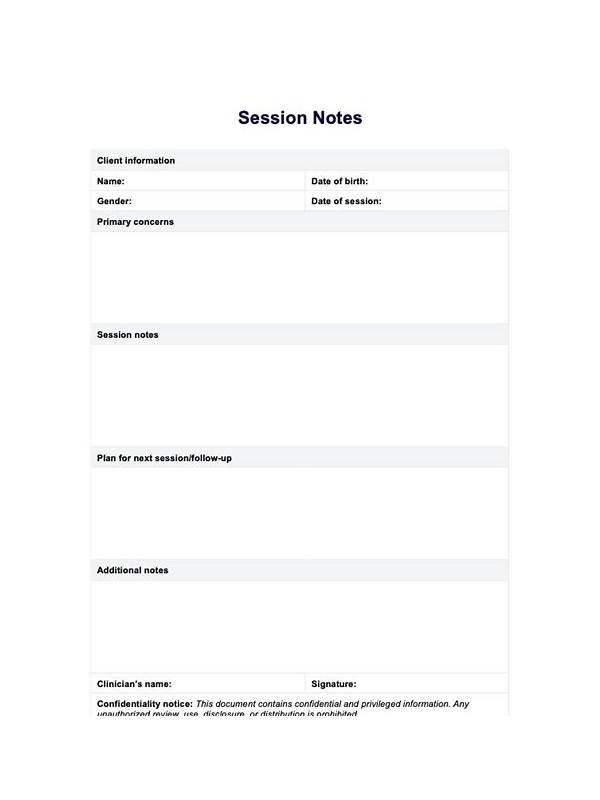
A session note is useful when it records decisions, not just results. “Won” and “lost” describe the ending but rarely explain what to practice. A short template can capture enough detail to improve without turning casual play into a long accounting exercise.
Start with the format and your intended limit. Record how long you planned to play and whether you stayed within that boundary. This matters because tired decisions and rushed decisions can look like strategy mistakes when the real issue was session design. Do not record sensitive account information or payment details in a public or shared note.
For each important hand, write three lines. First, “I held,” describing the main plan. Second, “I discarded,” naming the decision that changed the hand. Third, “I learned,” giving one neutral observation. For example: “I held a middle-card pair; I discarded a disconnected high card late; I learned that I had not checked my pure-sequence requirement.” Keep the language factual and avoid labels such as foolish or unlucky.
Add one uncertainty. Perhaps you were not sure whether an opponent’s pickup indicated a sequence, or you were unsure whether a joker should be saved. Naming uncertainty shows where a rule, practice drill, or slower review could help. It also prevents you from treating a guess as a fact the next time a similar situation appears.
Finish with one experiment for the next session. Choose something small, such as sorting the hand after every draw, setting a review point for competing plans, or pausing after a fixed number of hands. Do not choose five changes at once; you will not know which one helped.
Review notes weekly, not after every emotional result. Look for repeated patterns: missed requirements, overvalued pairs, rushed endings, or breaks taken too late. A pattern is more useful than a single dramatic hand. The goal is a calmer feedback loop in which the result is data, the decision is inspectable, and improvement remains practical.
If you play with others, do not record their names, private messages, or account details in a shared document. Describe the situation at the level needed for learning. You can write “opponent took a connected card” without creating a personal profile. Review should improve your choices and respect everyone at the table. Over time, a few neutral notes will show whether your experiment changed behavior, which is more valuable than a long list of isolated outcomes.