
Rummy Strategy: Use a Three-Question Draw Pause
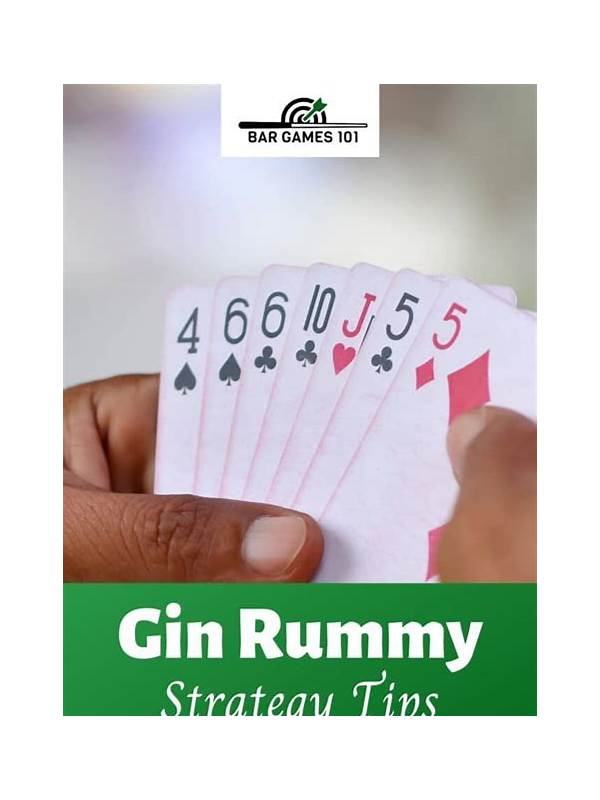
Drawing quickly is comfortable when a familiar card appears, but speed can hide a poor plan. A short pause before taking a card from the discard pile can improve decision quality without making every turn feel slow. The pause uses three questions.
First ask, “What does this card improve?” Name the exact group or route it supports. If the answer is only that the card is a high rank, a matching suit, or generally interesting, its benefit may be vague. A useful answer sounds more specific: it completes a required sequence, creates two realistic connections, or removes a costly isolated card.
Second ask, “What does accepting it make me release?” Every draw creates a new discard decision. Before taking the card, identify the likely card you would throw away. Compare their roles rather than comparing printed ranks alone. A card that looks less exciting may preserve more routes or keep a pure sequence possible. If you cannot identify a sensible release, the draw may be premature.
Third ask, “What will I know afterward?” A discard can provide information about another player’s interests, and your own discard can provide information in return. The goal is not to hide every intention; that is usually impossible. Instead, notice whether the draw gives you a better hand while revealing something you are comfortable revealing. Also consider whether the next player is likely to benefit from the card you must release.
The pause should remain brief. In a fast table, one breath and three mental prompts are enough. If the hand is especially complicated, use the questions in order and stop when the answer is clearly negative. A card that fails the improvement test does not need a long calculation.
Practice the pause in free or low-pressure sessions. After each decision, record only which question changed your mind. Perhaps the card improved a pair but created a bad release, or perhaps its information cost was higher than expected. This builds a personal database of recurring errors.
The method does not guarantee a winning draw. It simply separates a deliberate choice from a reflex. Good rummy decisions still depend on the format, visible cards, turn order, and legal declaration requirements. The three questions make those factors easier to notice before the hand moves on.
The pause is most valuable when the answer is mixed. A card may improve one group while weakening another, or it may help your hand while exposing a clear route. Instead of forcing a yes-or-no feeling, state the trade-off in one sentence and choose deliberately. That sentence becomes useful review material later because it shows what you believed mattered at the time.


