
Rummy Tips: Compare a Draw With Its Best Alternative
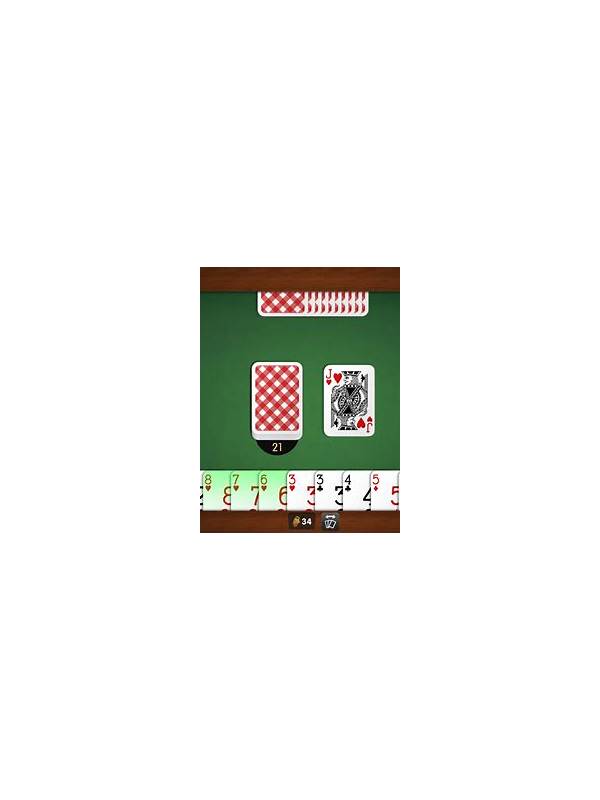
Many cards are useful in some way. The better question is whether a draw is better than the strongest alternative you could take. This comparison avoids grabbing a familiar card while missing a more important improvement.
For each candidate draw, identify the immediate gain. Does it complete a group, create two new routes, reduce high-card exposure, or protect a required structure? Then identify the opportunity cost. Taking one card may deny another visible option, reveal your preference, or leave an awkward discard. A card’s value is relative to those alternatives.
Use a short ranking rather than a complicated score. Mark each candidate as structural, flexible, defensive, or speculative. Structural cards complete or protect a valid arrangement. Flexible cards support several realistic routes. Defensive cards reduce risk based on evidence. Speculative cards depend on a narrow future draw. Prefer structural and flexible gains unless a strong table signal justifies defense.
Do not let a recent miss distort the comparison. If a card you wanted did not arrive, that does not make the next similar card automatically valuable. Recalculate from the current hand. Likewise, a card that completed a previous hand’s route may be irrelevant in the present one.
When the choice is close, choose the alternative that leaves a clear next discard. A hand that improves while preserving a simple release plan is often easier to manage than one that creates several tangled possibilities. Clarity has practical value under time pressure.
After the round, compare your chosen draw with the best alternative visible at that moment, not with the result alone. A sound decision can lose, and a weak decision can win. Reviewing the comparison builds judgment that remains useful when luck changes. The same method works for discards. Compare the card you plan to release with the best alternative release, then ask which one leaves more useful draws. A discard that improves one opponent-risk estimate but destroys your only flexible connector may be inferior. Likewise, a draw that looks strong may create a difficult discard next turn. Considering the full two-step sequence—draw now, release next—produces better decisions than evaluating either action in isolation. This comparison is especially useful when two cards appear equally attractive. The better choice is often the one that preserves more independent routes, not the one that completes the most visually obvious pair. Write the alternative down during practice so you can test whether your ranking was consistent.


