Rummy Tips: Use a Neutral Name for Every Hand State
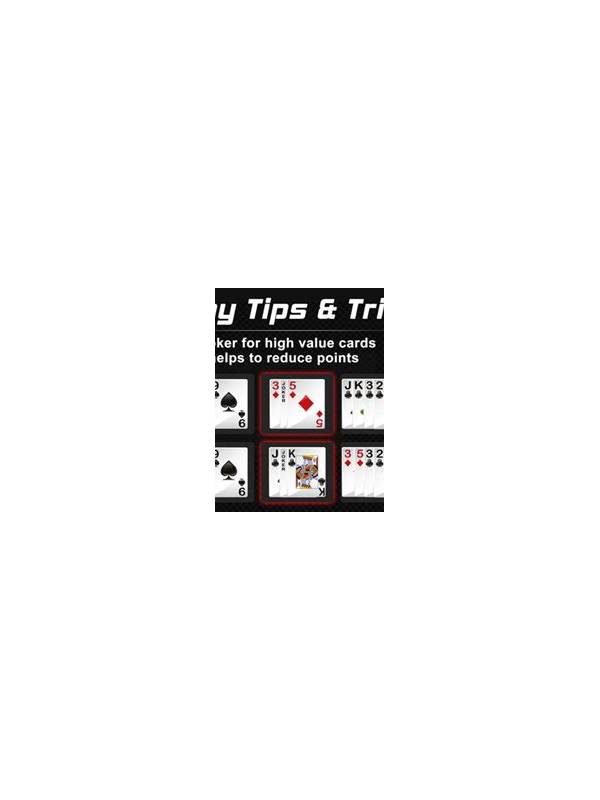
When a rummy hand feels confusing, the difficulty is often not the cards alone. It is the story forming around them. A player may say, “This hand is almost ready,” even when several unrelated possibilities are competing for attention. Giving the hand a neutral name creates a small amount of distance and makes the next decision easier to inspect.
Start with a factual label. Examples include “one confirmed group and four loose cards,” “two short same-suit runs,” or “one joker with no settled sequence.” Avoid labels such as “terrible hand,” “winning hand,” or “lucky draw.” Those descriptions predict an outcome before the hand has provided enough evidence. A neutral name should describe structure, not mood or expectation.
Update the label only when the structure changes. If a card completes a valid group, change “possible pair” to “confirmed pair.” If a planned route loses its only connector, note “route broken” rather than “the hand is ruined.” This keeps the record useful. It also prevents one disappointing draw from coloring every later decision.
Use the label before each draw and discard. Ask three questions: What groups are confirmed? Which cards are candidates for one specific route? Which cards have no current job? The answer may produce a label such as “one stable sequence, one competing pair, two unassigned cards.” That label immediately highlights where flexibility exists and where points may be exposed.
The method is especially useful during review. Write the hand label at the start, then add a second label after each important turn. Compare the labels with your actual choices. You may discover that you kept a card because it belonged to a hopeful story, even after the relevant route had become unlikely. Or you may see that a quiet card was discarded despite supporting a confirmed structure.
Neutral naming is not a prediction tool and does not change the rules of the game. It is a communication and attention tool. It works on paper, in a notes app, or as a brief mental sentence. Over time, consistent labels make patterns visible: repeated loose-card problems, delayed decisions, or a tendency to protect one attractive route too long. Better observation begins with describing the hand accurately.
If you play with others, neutral labels also improve discussion. You can describe a decision without blaming a player or claiming to know an opponent’s intentions. That makes feedback more specific and easier to accept. The habit is valuable whether the hand is competitive, simulated, or purely educational, because accurate language remains useful after the cards have disappeared.