Rummy FAQ: Can a Safe Discard Still Be a Bad Choice?
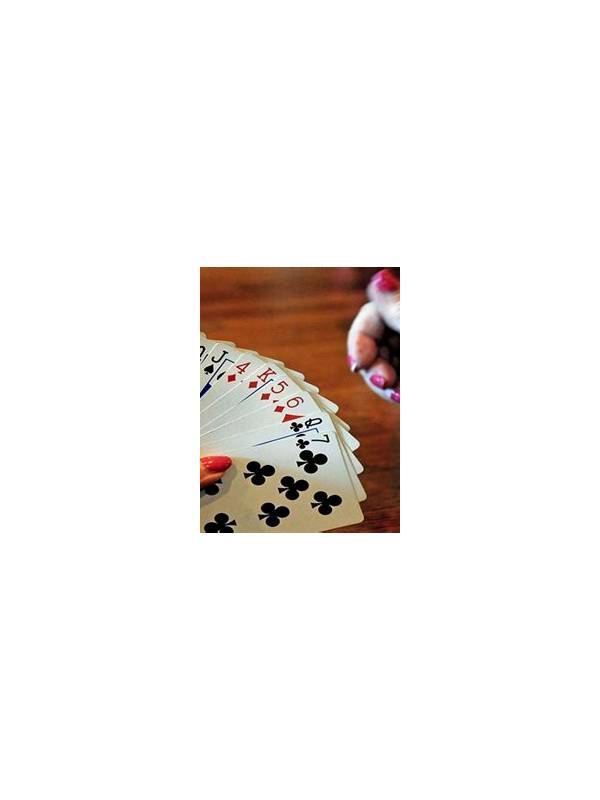
Yes. “Safe” usually describes the chance that an opponent can use the card, but it does not describe the full quality of your decision. A discard may avoid helping others while removing one of your most flexible routes.
To evaluate the choice, separate three questions. First, does the card help your own hand now? Second, what useful structures could it support later? Third, how much does releasing it reduce your exposure to points or clutter? A card with a strong answer to the first two questions may be worth keeping even when it appears harmless to discard.
The opposite is also true. A card can be valuable in theory but poor in practice if it has no realistic partner. Holding a flexible-looking card forever can prevent you from reducing deadwood. Safety is one part of the comparison, not the entire decision.
Look at alternatives. If the other possible discard is an obvious connector for an opponent, releasing the safer card may be correct even if it weakens your plan. If both alternatives are unlikely to help others, choose according to your own structure, point value, and remaining time.
Remember that safety is uncertain. An opponent may be collecting a route you cannot see, and an ignored card can become useful after one draw. Use recent picks and discards as clues, not proof. Avoid turning a single table observation into a permanent rule.
A good discard balances self-improvement and opponent risk. Ask what you gain by keeping the card, what you lose by releasing it, and whether another card offers a better trade. This broader test prevents the word “safe” from ending the analysis too early.
The same test applies when an interface highlights a recommended discard. Treat the suggestion as an input, not as a final answer. Check whether it breaks a sequence, changes your number of routes, or exposes a useful card to the next player. Automated prompts may not understand your broader plan or the behavior of people at the table. A deliberate player can accept the recommendation when it fits, or reject it with a specific reason. That extra step keeps convenience from replacing judgment. The question is equally useful for physical cards. A card that appears safe may still be the only bridge in your hand. Examine your own structure first, then assess the likely effect on others. Both sides belong in the decision. Reviewing both sides also makes your reasoning easier to explain after the hand and easier to improve in the next one.