Rummy How-To: Build a One-Page Session Reflection
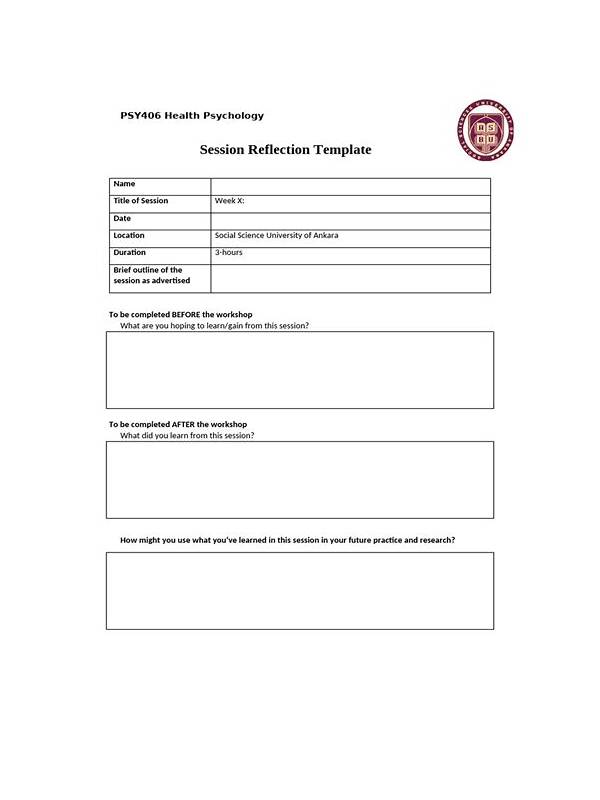
Long notes can make practice feel like another task. A one-page session reflection is a compact way to preserve useful lessons without recording every card. The page should help you decide what to repeat, what to test, and what to stop doing.
Divide the page into three sections. In the first, write two decisions that felt clear. These are not necessarily winning moves; they are choices whose reasoning you could explain. In the second, record two moments of uncertainty, describing the information you had rather than blaming the result. In the third, choose one experiment for the next session.
Use concrete language. “I kept a card too long after its second review point” is more useful than “I played badly.” “I changed routes after seeing a new discard” identifies a behavior that can be examined. If you cannot describe the hand state, write what you remember and mark the gap instead of inventing detail.
Keep the experiment small. You might test a fixed review after three turns, a rule for releasing unassigned cards, or a pause before a declaration. Do not choose five new habits at once. One experiment lets you tell whether a change helped, hurt, or made no difference.
Read the previous page before the next session and leave it nearby only if it will not distract you. After several sessions, look for repeated uncertainty. A repeated pattern deserves attention; a single awkward hand may simply be noise. Reflection works when it stays honest, limited, and connected to a future action rather than becoming a score of your character.
Leave room for uncertainty on the page. You may not remember whether a card was visible, whether a rule was confirmed, or how much time remained. Write “unknown” instead of filling the gap with a confident explanation. At the next practice session, design a small drill for that gap. The page then becomes a bridge between sessions, carrying forward a question that can be tested rather than a criticism that can only be repeated. Keep the page readable enough that you can scan it before the next exercise. Use short headings, one action per line, and a date. If a note no longer changes your behavior, archive it rather than adding more commentary. The purpose of reflection is selective memory: retain the observation that can improve a future decision and let the rest of the session remain finished. One honest sentence about uncertainty is often more valuable than a full page of confident but unverified explanations. Keep the reflection useful and easy to revisit.