
Rummy Strategy: Preserve Information in Your Discard Choices
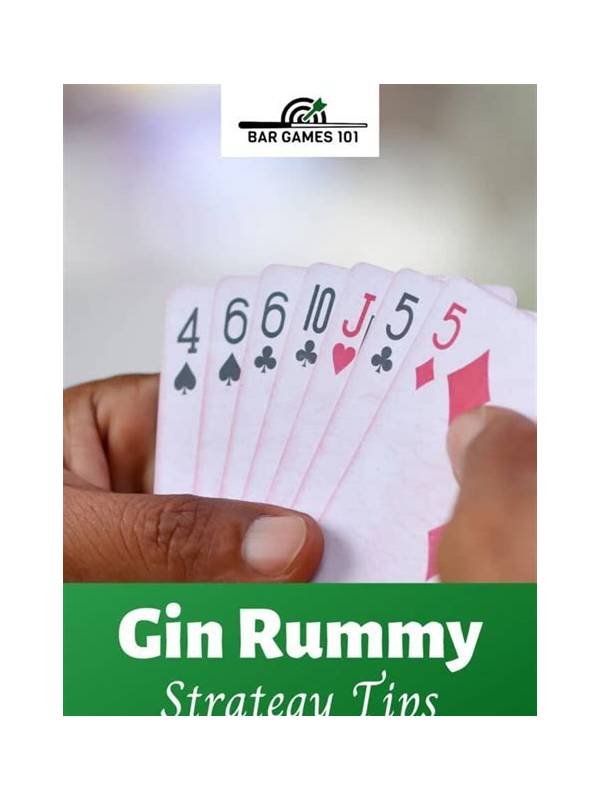
Every discard changes two things: the cards in your hand and the information available to everyone at the table. A card may be low value to you but highly useful to another player. Thinking about both effects can improve your choices without requiring perfect memory.
Start by asking what the discard visibly signals. Releasing a card from a suit you have collected may suggest that suit is no longer part of your plan. Discarding a middle connector can also tell attentive players that you are not pursuing nearby ranks. You cannot hide every intention, but you can avoid giving away useful clues unnecessarily.
Compare candidate discards that have similar value. A high card with no connections is often safer than a middle card that could complete several common sequences. A duplicate may be attractive to another player, but keeping one copy can preserve your own options. The question is not whether a card is theoretically useful; it is whether its usefulness to you exceeds the risk of making it available.
Timing matters. Early in a hand, information is less specific because many plans remain possible. Later, patterns become clearer and a convenient discard may reveal more. Before releasing a card late in the hand, check whether it connects to cards another player has recently taken. If so, consider another legal choice when the alternatives are comparable.
Information management is not a reason to keep unplayable cards forever. A hand still needs to become valid, and delaying a necessary release can cost more than any clue you conceal. Use the idea as one factor in a balanced decision: improve your structure, limit avoidable help to opponents, and accept that some information will always be visible. Information preservation also means noticing patterns in your own play. If you always discard the same kind of card first, an attentive opponent may learn your habits even when the individual choices are reasonable. Varying a decision for no reason is not required, but noticing your routine can help you identify when you are acting automatically rather than evaluating the current hand. Remember that no discard can fully conceal your plan, and no opponent can know it with certainty. Good play balances privacy, structure, and speed. When two discards are otherwise equal, prefer the one that reveals less about a developing plan and offers less immediate help to a visible opponent. If the alternatives are not equal, choose the card that best serves your own legal structure. Information is valuable, but it never replaces hand progress.


