Rummy Strategy: Value a Card by Its Exit Routes
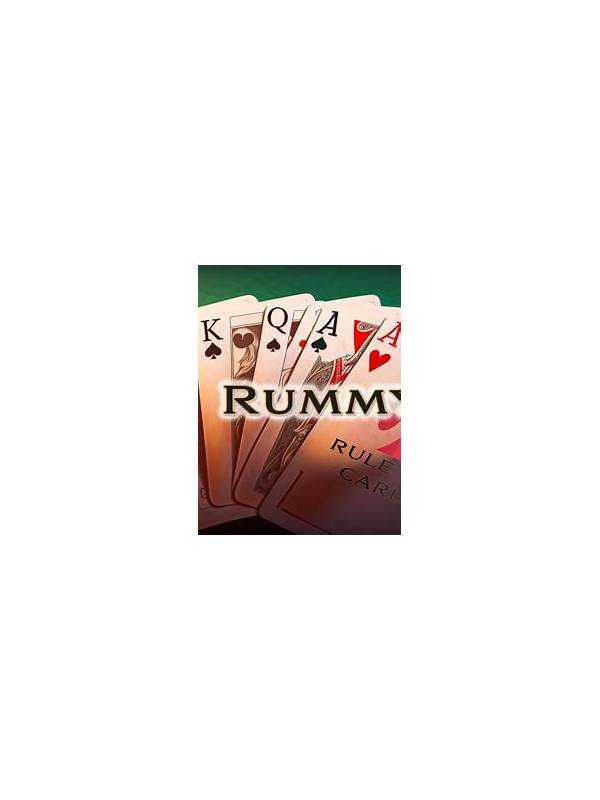
Card rank alone does not tell you how useful a rummy card is. A low card may be trapped without a neighbor, while a high card can be part of a confirmed sequence. One practical test is to value each card by its exit routes: the realistic ways it can become part of a legal group or be discarded without creating excessive risk.
For each loose card, list its current routes. It may connect to a same-suit neighbor, match another card of the same rank, or fit a joker-supported group where the rules permit. Count only routes that are plausible with the cards already visible. Do not give equal weight to a route that needs two exact future draws and a route that needs one of several cards.
Then assess the discard route. If the card does not improve soon, how costly would it be to keep it? High-point cards can deserve earlier attention when they are unconnected, while a flexible middle card may justify patience because it can join several combinations. This is not a universal ranking; the value changes with your hand and the public cards.
Imagine holding a ten of clubs with no club neighbors, a five of hearts beside a six of hearts, and a queen of spades that matches another queen. The five has a strong sequence route, and the queen has a set route. The ten may have several theoretical neighbors, but if both are already visible elsewhere, its practical exit routes are narrow. Rank it accordingly rather than calling it “middle” and keeping it automatically.
Recalculate after each draw. A new card can add an exit route, while a visible discard can remove one. When a route disappears, release the card before it anchors a larger but weaker plan. When a route improves, confirm that it does not break a required pure sequence or create too many loose cards elsewhere.
The exit-route test also helps when choosing between two possible discards. Prefer the card with fewer realistic future uses for your own hand, unless the other card presents a much larger risk to an opponent. The test is a comparison tool, not an instruction to discard the lowest-ranked card.
Use this method in short practice hands until the count becomes intuitive. It encourages concrete reasoning, keeps your plan adaptable, and makes it easier to explain why a card stayed or left. The best valuation is the one tied to a legal, achievable route rather than a vague feeling that the card “might help.”