Rummy Practice: Score a Decision Before Seeing the Result
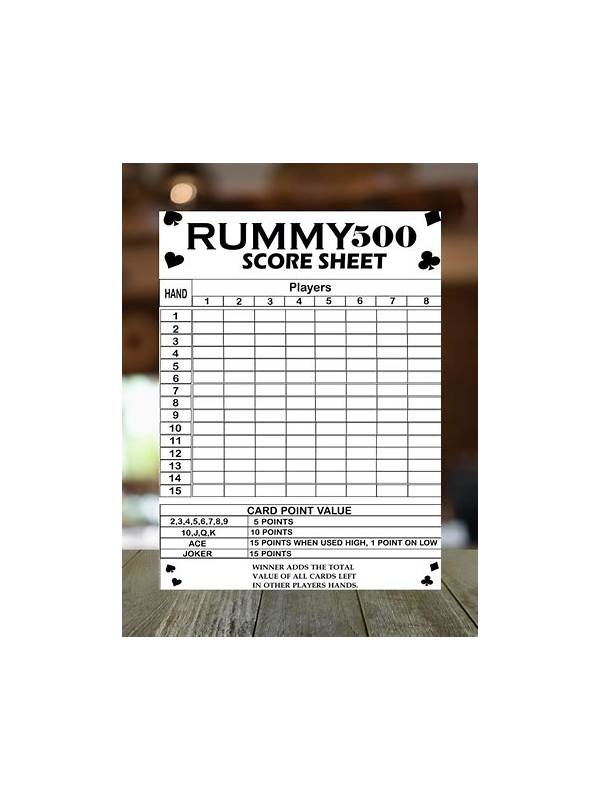
You can improve rummy judgment by rating a decision before you know whether the hand will win. This exercise separates process quality from the emotional pull of the result.
Choose a practice hand and pause before one important draw or discard. Write the action you are considering and give it a process score from one to five. A five means the action is legal, supports a realistic route, and manages risk with the information available. It does not mean the action is guaranteed to succeed.
Explain the score with three facts: your strongest group, the cards the route needs, and the main cost if it fails. Include one uncertainty, such as an unknown draw or an opponent’s possible connection. The explanation should fit in a few sentences so it remains usable during practice.
Reveal the next card or complete the turn, then score the same decision again using the outcome only as new evidence. If the result was poor but the original process score was high, keep the distinction. If the result was good but the process score was low, do not turn luck into a rule.
Compare one alternative. State what it would need, what it would protect, and what it would reveal. This prevents a review from becoming an imaginary search through every possible move. Choose the alternative that was genuinely available at the time.
Repeat for five decisions across several hands. Track whether your process scores are stable or whether time pressure makes them overly generous or harsh. A changing score may indicate that your criteria need clearer definitions.
Finish with one practice target, such as counting realistic outs, checking pure-sequence validity, or comparing two discard candidates. Keep the target narrow enough to test in the next session.
The exercise does not remove chance. It teaches you to reward sound reasoning before chance has delivered its verdict.
Keep the scores private and practical. They are not grades for your identity as a player. A low score simply points to a question for the next drill, while a high score records a process worth repeating even when the result later goes against you.
You can also make the score before choosing between two discards. Rate each card by route quality, point exposure, and information risk, then record the winner. Once the next draw is known, review whether the criteria were sensible. This creates a repeatable comparison instead of letting the fortunate card define the rule.