Rummy Tips: Use a Delayed Commitment Rule
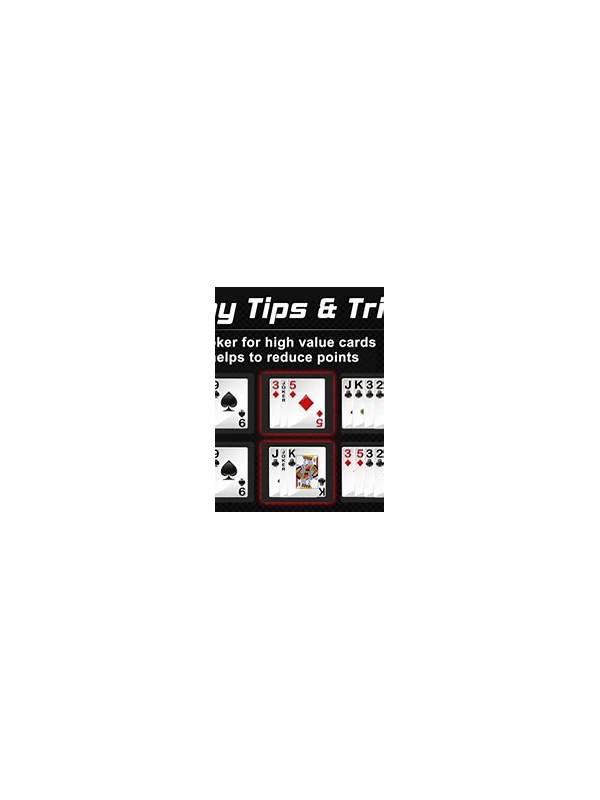
A delayed commitment rule is a simple agreement with yourself: when two plans are close in value, keep both alive for one more decision instead of choosing immediately. This does not mean holding every card or refusing to discard. It means preserving a genuine fork when the cost is small and the information is about to improve.
When the rule helps
Use it early when a bridge card supports two legal routes and neither route is clearly stronger. For example, a middle card may fit a sequence in either direction while another card can serve a set. Keeping the bridge for one turn may let the next draw decide the plan naturally.
The rule also helps when public information is still thin. One or two discards may not justify a confident read of another player’s hand. Waiting for another clue can be better than rebuilding your own hand around a guess.
Set a cost limit
Delayed commitment works only when the retained card is not dangerous. Do not keep a high isolated card merely because it might become useful. Estimate the penalty and ask whether the card has at least two credible roles. If retaining it blocks a safe discard, the delay may cost more than it teaches.
Set a deadline as well. One additional decision is a useful experiment; indefinite postponement is indecision. If the new information does not favor either route, choose the route with the better fallback rather than waiting forever.
Recheck the fork
After the next draw, compare the plans from scratch. Did one receive a direct improvement? Did a needed card become less available? Did the bridge itself become more valuable elsewhere? A delayed commitment succeeds when you use the extra information, not when you merely postpone the same uncertainty.
Be careful with sunk-cost thinking. If the new card favors a different structure, release the old idea even if you have held it for several turns. The rule protects options; it does not protect a plan’s history.
Practice with examples
During practice, pause whenever you notice two routes. Label the bridge, list each route’s next useful cards, and decide whether holding the bridge for one turn is affordable. Then record what the next draw taught you. Over time, you will learn which forks are genuinely productive and which only create clutter.
Delayed commitment is a timing tool, not a universal strategy. It is most useful when information is about to arrive and the retained card is safe. Used with a clear cost and deadline, it can prevent premature decisions while keeping the hand manageable.