Rummy Strategy: Compare Two Hands by Flexibility
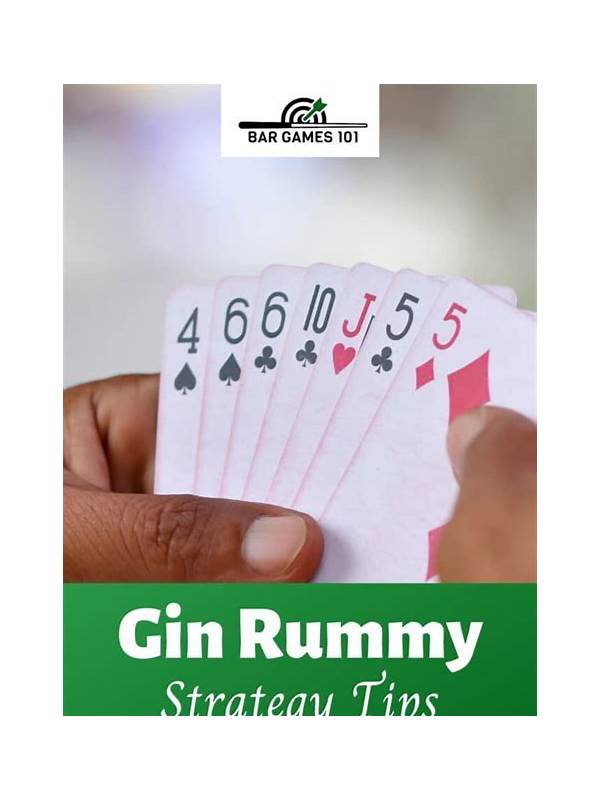
A hand that looks closer to completion is not always the hand with the better future. One arrangement may contain a nearly finished group but depend on a single exact draw. Another may show fewer visible groups while preserving several ways to improve. Comparing flexibility helps you judge the quality of the next decision rather than only the appearance of the current layout.
Count meaningful routes
Begin by listing the realistic groups each hand could build. Do not count arrangements that use the same card in conflicting ways unless you can actually choose between them. A card that supports two independent routes increases flexibility; a card that only looks versatile because both routes require the same unavailable rank does not.
Then ask how many useful draws would improve the hand. More options can help, but only if they remain legal and reasonably available. A long list of theoretical draws may be less valuable than two clear routes.
Consider the cost of change
Flexible hands are easier to revise. If the next draw misses, you can discard an isolated card and continue. Narrow hands may require breaking a group or carrying a high card longer. Compare how much damage a missed turn causes in each arrangement. A plan that survives one blank turn may be preferable to a plan that is closer but collapses immediately.
This is especially important early in a hand, when uncertainty is high. Later, a narrow route can be correct if it is supported by visible information and a clear completion condition.
Separate appearance from structure
A pair of consecutive cards is not automatically better than two unconnected low cards. The pair may be useful, but its value depends on suit, neighboring ranks, and other cards in your hand. Likewise, a nearly complete set may block a pure sequence that is more important for a valid declaration.
When comparing layouts, first check the required structure. Then compare waiting cards, penalty exposure, and fallback routes. This order prevents a visually attractive group from receiving too much credit.
Make the comparison actionable
Use the comparison before a difficult discard. Write a short note such as: “Plan A completes sooner but has one out; Plan B has three useful draws and a safer exit.” You do not need exact probabilities to see the trade-off. Choose according to the game stage and the consequences of being wrong.
After the hand, review whether the more flexible plan actually gave you better choices. The goal is not to prefer flexibility at all costs. It is to recognize when flexibility is worth more than a fragile appearance of progress, then commit when evidence makes the narrower route reasonable.