Rummy Safety: Check the Rules Before a Paid Session
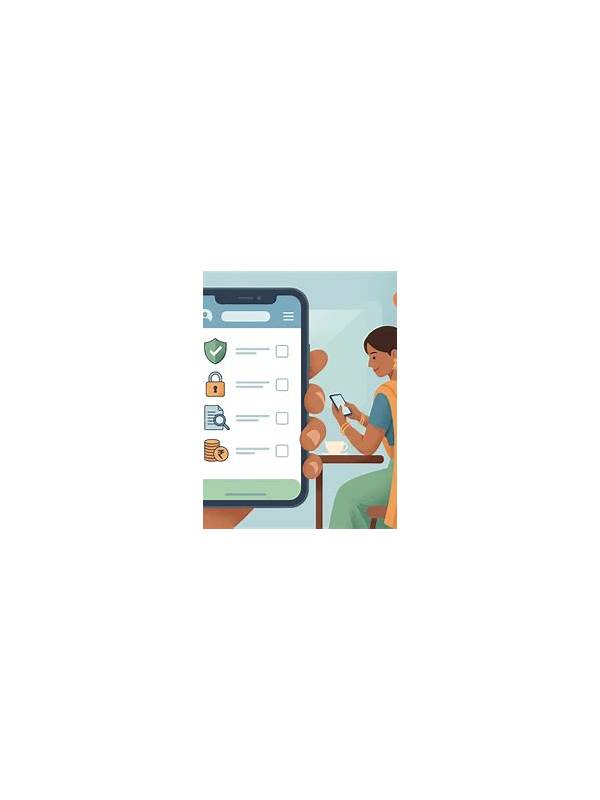
Before entering any paid rummy session, pause for a basic safety check. Skill and strategy do not replace clear rules, lawful access, or a budget you can afford to lose. A few minutes of preparation can prevent confusion when the table is active and decisions feel urgent.
Confirm eligibility and local rules
Read the platform’s current terms and check whether the service is available to you under local law. Rules and restrictions can vary by location and can change over time. Do not rely on an old post, a forwarded message, or a promotional claim as your only source. If the service does not clearly explain eligibility, fees, withdrawals, or dispute procedures, treat that uncertainty as a reason to stop.
Understand the session structure
Before paying, identify the format, entry amount, rake or other charges, scoring method, and what happens if the connection fails. A familiar game can still use unfamiliar settlement rules. Look for information about cancellations, timeouts, and responsible-play controls. If you cannot explain how a loss is calculated, do not enter until the rule is clear.
Set a firm budget
Choose a session budget in advance using money that is not needed for rent, food, bills, debt payments, or emergencies. A budget is a ceiling, not a target. Do not increase it to recover a loss, and do not borrow to continue. If the platform offers deposit limits, cooling-off tools, or self-exclusion, learn how they work before you need them.
Protect account and payment details
Use the official application or verified website, a strong unique password, and device security such as a screen lock. Avoid sharing one-time codes, passwords, or payment credentials with anyone claiming to provide support. Check the recipient and amount before confirming a transaction, and keep records of legitimate confirmations without storing sensitive data in an exposed note.
Know your stop signals
Leave the session if you feel rushed, angry, tired, or focused on winning back a loss. Those states can change a small entertainment expense into an uncontrolled one. A break is a safety action, not a failure.
Finally, check whether the game is appropriate for your age and circumstances. Responsible play means preserving control before, during, and after the session. If any part of the rules, legality, payment path, or budget is unclear, the safest decision is to wait.
It is also worth checking the practical exit. Know how to leave the table, where to find support, and how to close the account or pause access if you need to. A safe session is one in which the decision to stop remains available and easy to carry out.