Rummy How-To: Rebuild a Hand After Three Unhelpful Draws
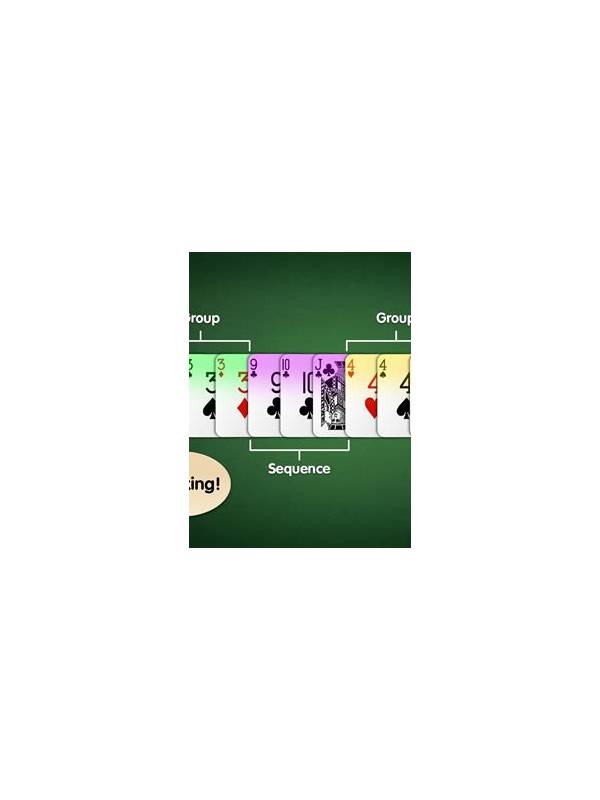
Three unhelpful draws do not prove that a hand is lost, but they do provide a useful review point. Instead of making the fourth decision from a stale plan, rebuild the hand using the information now available. This process helps separate bad luck from a plan that has become too narrow.
Clear the mental layout
Temporarily stop thinking in the groups you created earlier. Look at the cards as a fresh collection and sort them by suit and rank. This small reset prevents you from protecting a weak pair simply because it has been in your plan for several turns.
Next, identify any groups that are already legal or close to legal. Mark pure sequences separately from groups that need a joker or a specific card. A valid foundation should receive more protection than an attractive but uncertain possibility.
Recalculate connections
For every remaining card, ask whether it has a role in at least one realistic group. Note bridges that serve multiple routes and exits that can be discarded with little damage. If a card has no connection, it should not stay merely because it is low or visually convenient.
Review public information as well. The three missed draws may have changed the available pool. Cards that were plausible earlier may now be less plausible because they have appeared in discards or completed groups. The hand is not the same problem it was at the beginning.
Choose a new center
Select one central plan and one fallback. The center should be supported by several useful cards or a strong structural foundation. The fallback can be modest; its purpose is to prevent every decision from depending on one exact draw. If neither plan is attractive, prioritize reducing penalty exposure and protecting the requirements of a valid declaration.
Do not attempt to repair every card at once. A smaller, coherent plan is easier to update than a collection of five promises.
Set a new review point
After rebuilding, decide when you will review again. It might be after the next draw, after one more missed opportunity, or when a needed card becomes unavailable. A review point turns frustration into a process and keeps you from repeating the same decision automatically.
In your post-hand notes, record what changed after the rebuild. Did you find a stronger route, or did the exercise mainly reduce risk? Both outcomes are useful. Rebuilding is not a guarantee of recovery; it is a way to ensure that each later decision reflects current information rather than an outdated hope.