Rummy Strategy: Use a Requirement-First Card Sort
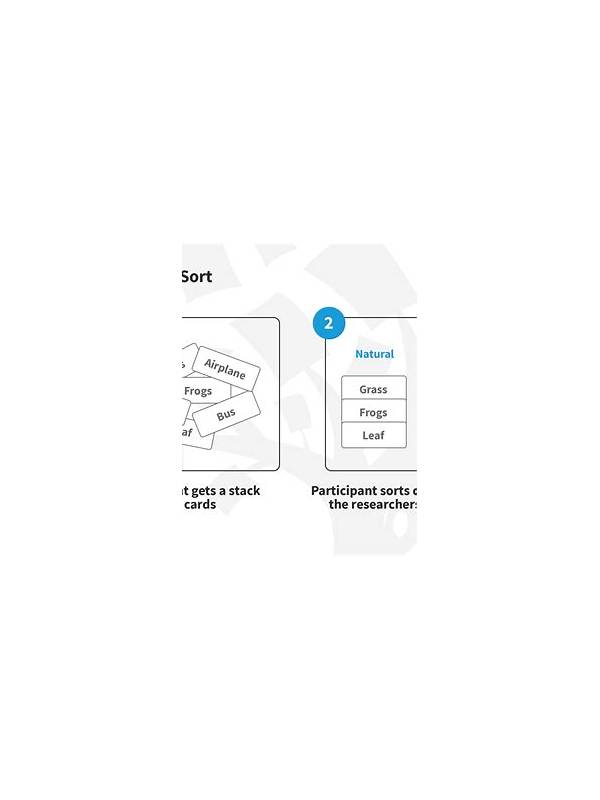
Many players sort a rummy hand by suit or rank and then look for attractive patterns. A requirement-first sort reverses the order. It begins with the structures needed for a valid declaration and asks which cards serve those structures. This can expose a serious gap before smaller combinations distract you.
Write the required groups in a short list. Depending on the format, this may include a specified number of sequences, a pure sequence, and sets. Then assign each card to one current role. Confirmed groups go first. Incomplete groups follow, with the missing cards named. Isolated cards remain at the end. If a card could serve two roles, assign it to the more important role and keep the alternative uncounted until new evidence appears.
Next, identify the highest-priority gap. A pair that could become a set may look promising, but it is less urgent than an absent pure sequence if that sequence is mandatory. Likewise, a low-value orphan may be safer to hold briefly than a high-value card that is blocking a required connection. Requirement-first sorting turns a vague question—“What looks good?”—into a specific one: “What must this hand still accomplish?”
After every draw, repeat only the essential parts. Check whether a required group was completed, whether a target became less realistic, and whether the weakest card changed. Do not rebuild the entire mental model when a small update will do. The method is meant to reduce clutter, not create another complicated ritual.
Before a declaration, use the same sort as an audit. Count every card once, confirm the pure requirement, and check that each remaining group is valid under the relevant rules. If a joker is involved, verify the format’s treatment of it. A requirement-first sort is valuable precisely because it highlights legality, not merely visual neatness.
Practice with open hands and deliberately include attractive distractions: a tempting duplicate, a flexible connector, and one high orphan. Ask which card supports the required gap and which card only improves appearance. With repetition, the sort becomes quick enough for live play while preserving a clear priority order.
The method does not predict the next draw. It ensures that when a useful card appears, you recognize the requirement it solves and make room for it without losing track of the rest of the hand.
Use the sort as a guide rather than a substitute for the published rules. Formats differ, and a correct visual arrangement in one game may not satisfy another game’s declaration conditions.