
Indian Rummy Tips: Choose a Discard by Three Tests
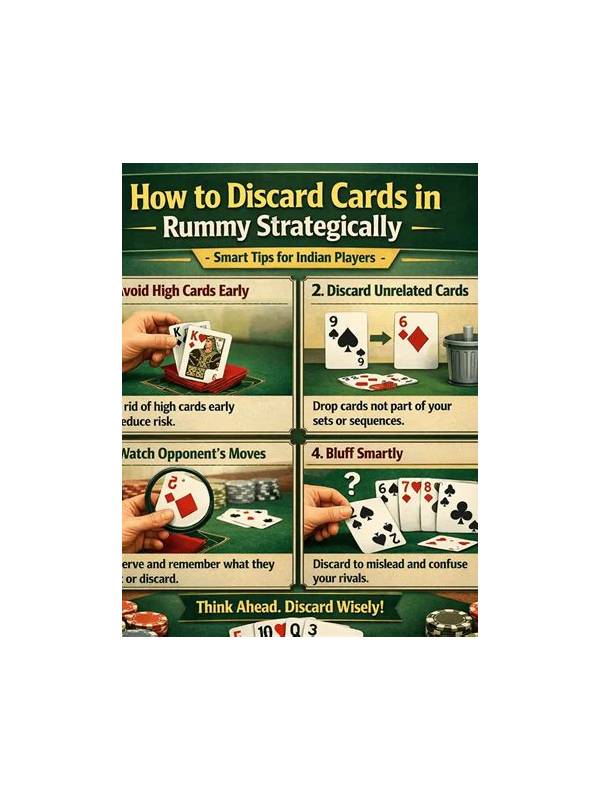
When several cards look disposable, three tests can make the choice clearer. Examine structural contribution, point exposure, and information value. The tests do not guarantee the best outcome, but they create a disciplined comparison.
The first test is structure. Does the card belong to a confirmed group, a flexible connection, or a speculative idea? A card in a confirmed group should usually be protected. A card that supports two realistic routes may be more useful than a card that supports one attractive but narrow route. Release the card that contributes least to a legal completion plan.
The second test is points. If two cards have similar structural value, compare their potential penalty. A high isolated card may be a sensible release, particularly when it has no neighboring support. Do not discard high cards automatically, though. A high card in a strong sequence or a card that preserves the only workable route has structural value that can outweigh its number.
The third test is information. What might your discard reveal, and how much should that matter? Giving away a card that clearly supports your own plan may help another player, but trying to hide every useful card can damage your hand. Information is a tiebreaker, not a reason to destroy confirmed structure.
Run the tests in that order. Structure keeps the hand legal, points manage downside, and information refines the comparison. If the tests disagree, choose the option you can explain in one sentence. “This card was isolated, high value, and did not preserve a second route” is a stronger reason than “it felt wrong to keep it.”
With practice, the three tests become quick. They also make post-round review easier because you can see which part of the decision failed: the group assessment, the point comparison, or the table read. Clear criteria turn a vague discard into a repeatable skill.
Run the tests before using a tempting table shortcut. A visible card may look safe because it seems unlikely to help another player, but your own structural loss still matters more. Conversely, keeping a card merely to hide a possible route can leave unnecessary points in your hand. Make the structural decision first, then use table information to refine it. This ordering prevents imagined opponent behavior from taking control of your plan.
When the tests produce a tie, choose the discard that leaves the clearest next turn. Clarity has practical value because it reduces rushed decisions and makes new information easier to interpret. You can also prefer the lower-point card when structure is genuinely equal. The important point is to use a stated tiebreaker rather than spending the whole turn searching for a perfect answer that does not exist.


