
Rummy Safety Guide: Keep a Session Log Without Oversharing
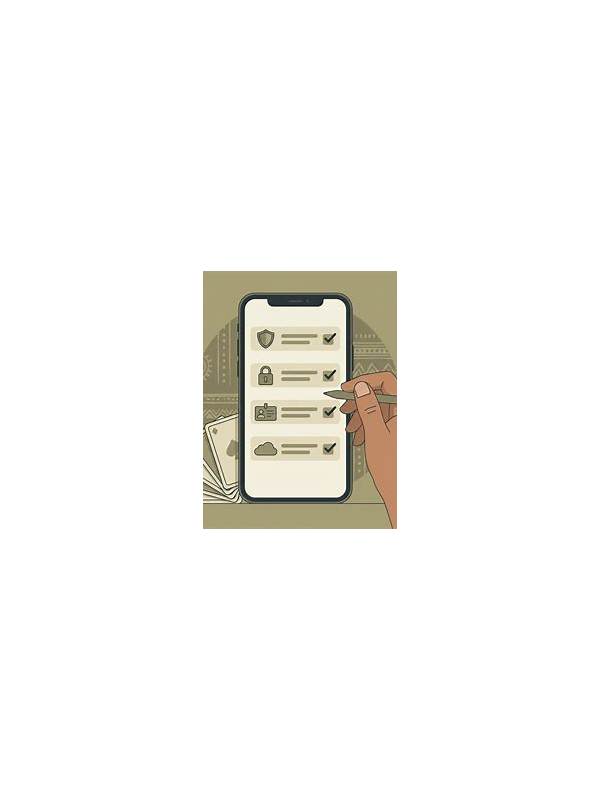
A session log can help you notice time, spending, and decision patterns, but it should not become a second security risk. Good notes record behavior and learning points without storing secrets that could expose your account.
Keep the log general. Record the date, approximate duration, game format, number of rounds, and whether you followed your planned limit. For learning, note one decision you understood and one decision you would review. These details can show whether tiredness, rushing, or extended sessions affect your choices.
Do not record passwords, one-time codes, full payment details, identity document numbers, or private support conversations. Avoid copying account balances into a shared notebook if other people can access it. If you need a financial record, use a secure method designed for that purpose and protect the device with a lock screen.
Separate facts from interpretations. “Stopped after the planned time” is a fact. “The table was against me” is an interpretation that may hide other causes. You can include feelings, but label them clearly. A neutral log makes it easier to compare sessions without turning one unlucky result into a permanent story.
Review the log weekly, not after every emotional moment. Look for repeated process issues: starting without checking rules, ignoring a break, or continuing after concentration dropped. If a pattern appears, adjust one boundary. Do not use the log to justify chasing losses or to create a demand for constant improvement.
A secure, modest record supports responsible play and better reflection. The purpose is to understand your habits, not to build a detailed profile that could be misused. Keep only what helps, protect what you keep, and delete material that no longer serves a clear purpose.
If you share a log with a coach or friend, remove identifying details first. A reviewer needs the format, hand pattern, decision point, and reasoning; they do not need your username, payment history, document images, or login information. Screenshots may reveal notifications and account identifiers, so crop them carefully or describe the situation in words. Responsible review should improve decisions while preserving privacy.
Set a retention period for ordinary notes. After a few weeks, keep only patterns and lessons that still matter, and remove detailed round records that no longer help. This reduces the amount of personal information sitting on a phone or computer. A good log is deliberately limited: enough to support reflection, never so much that it becomes a map of your private account activity.


