Rummy Comparison: Conservative or Aggressive First Discard?
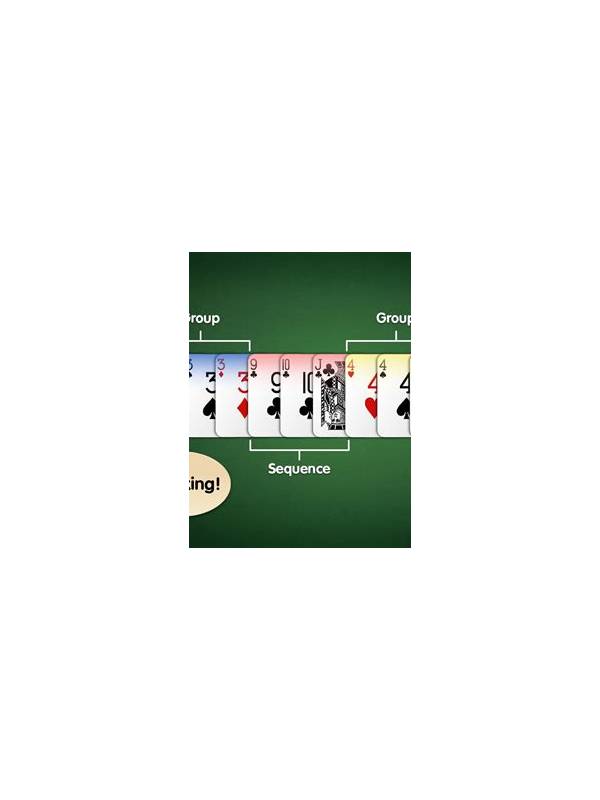
A conservative first discard usually removes an isolated high-value card or an awkward card with few connections. An aggressive first discard may release a card that could help another player or break a promising pair in order to pursue a stronger plan. Neither style is automatically correct because the opening hand, rules, and table information change the decision.
Evaluate the conservative option first. Does it reduce your immediate penalty? Does it leave several useful draws? Does it protect a required pure sequence? If the answer is yes, a quiet discard may be valuable even if it does not create an exciting combination. Early stability gives later draws room to improve the hand.
Then evaluate the aggressive option. It may clear a blocker, commit to a narrow but powerful route, or avoid keeping two cards that compete for the same role. Its cost is reduced flexibility. If the chosen route depends on one exact card, ask whether the hand can recover when that card never arrives. Aggression should be deliberate rather than a reaction to seeing a visually appealing pattern.
Public information matters, but it should not dominate. A card that looks unsafe to discard because an opponent might want it can still be your best release if it has no useful job for you. Conversely, giving away a card that completes a visible opponent pattern may be avoidable when an equally safe alternative exists. Compare your own progress, their possible benefit, and the remaining options.
Use a three-part first-discard check: point exposure, future connections, and recovery if the plan fails. Choose the discard with the strongest overall balance. After the next draw, reassess rather than defending the opening decision. The best first discard is not the one that proves a personality type; it is the one that leaves the hand understandable and manageable.
The first discard can also establish a useful review habit. Say the reason quietly: “isolated and expensive,” “breaks a required route,” or “keeps alternatives alive.” If the reason is only “I dislike this card,” compare again. Keep the explanation short so it does not slow the table. Later, check whether the new draw changed the role you assigned to the remaining cards. This turns the opening move into a baseline for learning rather than a dramatic statement about how you intend to play. Use the same wording in practice and real sessions. A familiar explanation is easier to recall when the timer is active, and it gives you a clean record for comparing decisions across different opening hands.