
Rummy Comparison: Session Notes Versus Hand Notes
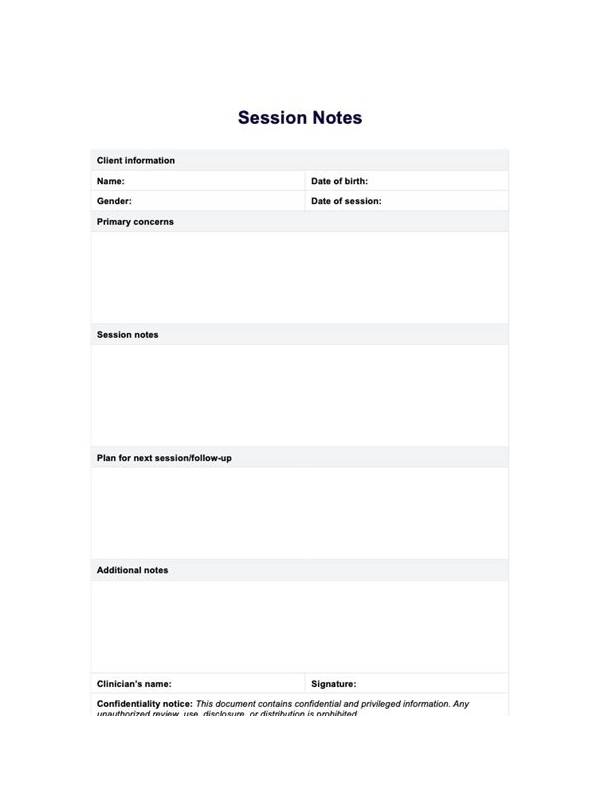
Session notes and hand notes answer different questions. Session notes describe the environment: duration, format, table pace, interruptions, and whether the player followed personal limits. Hand notes describe one decision sequence, such as a draw, discard, or declaration check. Combining them can make a specific mistake harder to find.
The distinction also protects privacy. A session note can avoid naming other players, while a hand note can use neutral card descriptions. If notes are synced across devices, check who can access them. Learning records should remain useful without becoming a collection of unnecessary personal or financial information.
Use session notes for context. Write the start and stop time, the format, the number of hands if known, and any device or connection problem. Add one sentence about attention and mood without turning it into a diagnosis. These details can explain why the same hand plan felt different on another day.
Use hand notes for evidence. Record the opening structure, the candidate routes, the card drawn, the card released, and the reason for the choice. Keep the reason as it was understood then. “Released because it had one exact link” is more useful than “bad discard,” which only describes the result.
The two note types should meet in a short summary. For example, a hand note may show that a player rushed a final check, while the session note shows that notifications were interrupting every turn. Together they suggest a process change. Neither note alone proves a broad conclusion.
Avoid writing so much that note-taking becomes another source of pressure. Use a fixed template with a few fields, and skip a hand when the table is too fast. Never store passwords, verification codes, full payment details, or private information about other players.
Review notes after a cooling-off period. Look for repeated decisions and conditions, not isolated wins or losses. The best note system makes the next session clearer: one rule to revisit, one habit to test, and one limit to respect. It is a learning aid, not a score of personal worth. A useful weekly review can compare one session note with three hand notes. Look for a connection such as repeated rushing after an interruption or repeated uncertainty about a rule. Choose one small experiment for the next session. Stop reviewing when the note has produced a concrete adjustment; more writing does not automatically produce more learning. Keep the date and format with every note. The same decision can be sensible under one scoring system and poor under another. A small header prevents later comparisons from combining unlike situations and gives the review enough context to remain fair.


