Rummy Guide: Estimate Opponent Progress from Discards
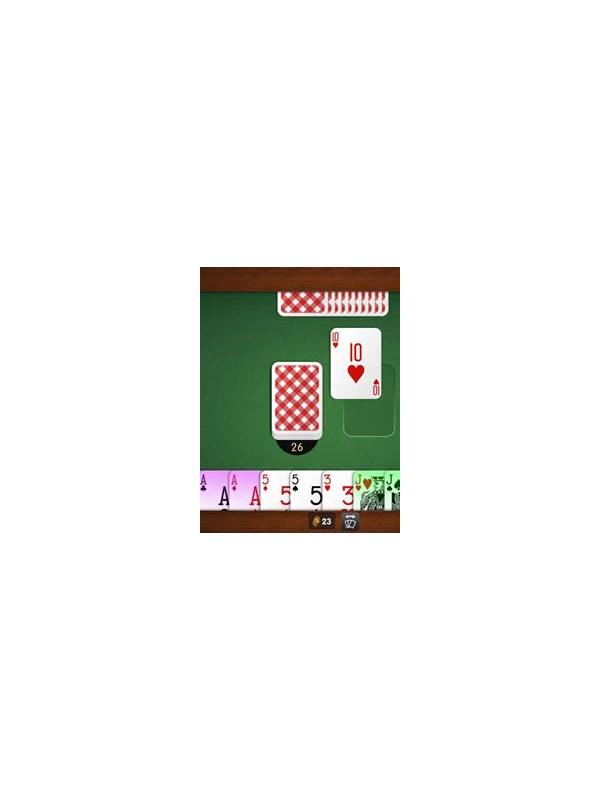
Watching discards can add useful information to a rummy hand. It may show that a player is releasing a suit, protecting a rank, or refusing cards that would complete an obvious group. The goal is not to read an opponent’s mind. It is to update a few reasonable possibilities while keeping your own hand as the main priority.
Record only strong signals. If a player discards two cards from the same suit across separate turns, that may lower the chance that the suit is central to their plan. If they take a visible discard immediately, note the rank and suit because it could reveal a connection. A single discard is weak evidence; repeated behavior is more informative.
Use categories instead of fixed conclusions. Write “possibly avoiding hearts,” “may need a seven,” or “unknown” rather than “has no hearts” or “will declare soon.” New draws, forced discards, and deceptive choices can make an earlier interpretation wrong. Keeping uncertainty visible prevents you from making a risky discard solely to block a story you invented.
The information becomes useful when it changes your comparison of two legal options. Suppose your hand can discard one of two cards, and one would be a natural extension of a pattern the opponent has repeatedly collected. That fact may matter, but it should be weighed against your own points, useful outs, and declaration progress. Never damage a nearly complete hand just to make a speculative block.
Review your notes after the hand. Which observations were supported by later action, and which were guesses? Remove details that did not improve a decision. Over time, the practice should make you more disciplined about evidence, not more confident that every discard carries a hidden message. Good observation narrows uncertainty; it does not eliminate it.
Avoid collecting more notes than you can use. A long list of every discarded card may distract you from your own turn. Choose one observation question for a session, such as whether an opponent repeatedly takes the visible discard or whether a suit disappears from their releases. At the end, decide whether the question changed any discard. If it did not, drop it. Observation is valuable when it supports a clear comparison, and wasteful when it becomes a substitute for making your own hand legal and manageable. When evidence conflicts, lower your confidence instead of choosing the dramatic explanation. An opponent may be collecting a suit, responding to a forced draw, or simply discarding randomly. Preserve those alternatives until later action gives you a stronger reason to narrow them.