Rummy Guide: Use the Turn Clock as a Review Prompt
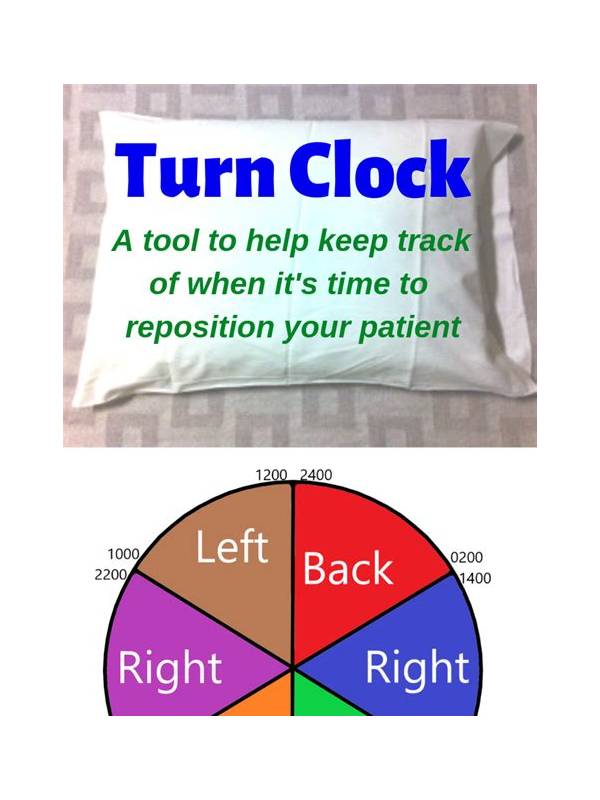
Time pressure does not require instant decisions. It requires a repeatable order of checks. Use the turn clock as a prompt to complete the same small review every time: sort, identify, compare, and act.
At the start of a turn, sort the new card into the hand before evaluating it. This prevents the last draw from receiving too much attention simply because it is recent. Then identify your strongest current group, your most flexible connector, and your weakest leftover. These three points create a quick map without demanding a full calculation.
Next, compare two actions if they exist. One may pursue a visible discard while the other protects flexibility. Ask what each action completes, what it reveals, and what it leaves you holding. If there is only one sensible discard, confirm that it is not part of an active route and check whether its value could help an opponent.
Divide the clock into stages rather than watching every second. Use the early part for sorting and the middle for comparison. Reserve the final moments for a confirmation of the selected card and action. This reduces panic because you know what each part of the turn is for.
Speed should come from familiar categories, not skipped checks. If you regularly run out of time, simplify your labels and practice the routine in no-stakes sessions. Notice whether sorting takes too long, whether you keep reconsidering a settled choice, or whether the interface itself causes confusion. Each problem has a different remedy.
Do not let the clock turn uncertainty into a reason to chase a dramatic move. A conservative discard that preserves a workable hand is often better than an ambitious choice made without review. The goal is not to use every second. It is to make the important checks reliably before the clock requires an action.
If the clock is unusually short, reduce the review to one question: which discard most improves the hand while creating the fewest obvious problems? Make that question familiar before playing. Afterward, review whether the time pressure changed your reasoning or merely changed your speed. If the interface freezes, lags, or presents an unclear confirmation, prioritize account and transaction safety over completing the turn. A technical delay is not a reason to click repeatedly. Familiar sorting also saves time: use the same order for groups, flexible cards, and leftovers every turn. When a choice is close, select the option that leaves a clear next action rather than reopening every possibility. This keeps speed connected to clarity.