Rummy Tips: Remember Discards by Category, Not Every Card
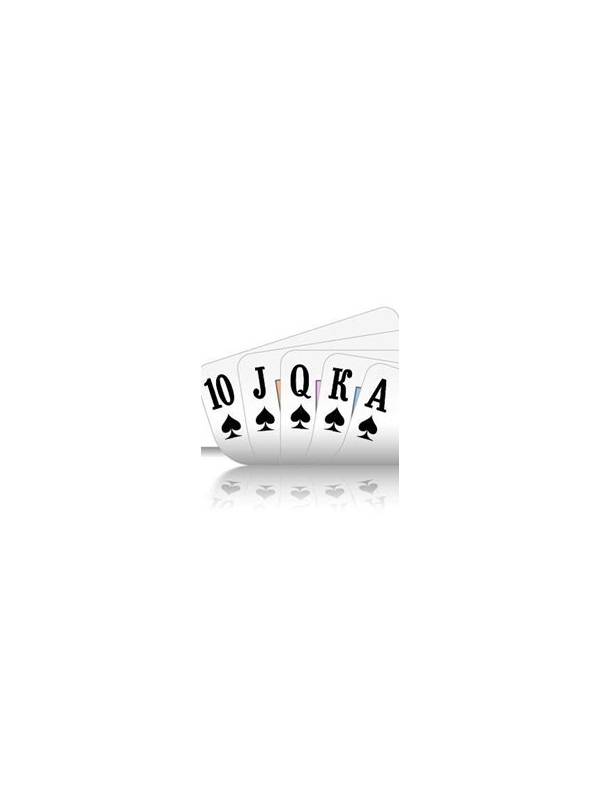
Trying to remember every card in a long discard pile can create more noise than insight. A lighter method is to track categories that affect your next decision: completed ranks, repeated suits, visible connectors, and cards taken immediately by an opponent.
Start with cards that directly touch your plan. If you are building a sequence, note which neighboring ranks have appeared. If you are protecting a pair, note whether its matching rank has been discarded openly. You do not need a perfect deck map; you need enough information to avoid treating an unlikely route as equally promising.
Mark repeated patterns rather than copying every item. Several cards from one suit may indicate that suit is circulating, while repeated discards of high cards may show that players are reducing risk or rejecting a particular area. These observations are clues, not proof. Keep them separate from facts about cards you have actually seen.
Pay attention to grabs. When a player takes a visible discard, record the rank neighborhood or suit direction if it matters. One selection is weak evidence; repeated selections are stronger. Avoid assuming a complete meld from a single pickup, because the card may have several uses.
Refresh your categories after each round of turns. Old notes can become misleading when the hand changes. If a previously useful connector is no longer relevant, drop it. Memory should support the current choice, not preserve every detail for its own sake.
This method also protects concentration. By remembering categories, you leave attention for your own hand and for safe discard timing. If you enjoy detailed tracking, you can expand the notes gradually, but start with the smallest set that answers a real question. Good memory in rummy is not a performance of recall; it is selective attention to information that changes an action.
Keep factual notes distinct from interpretations. “A seven was discarded” is a fact; “the player does not need that suit” is an interpretation. The second may be useful, but it should remain provisional. This separation prevents one early guess from shaping every later choice. It also makes review easier because you can see which assumptions were supported and which were simply convenient stories about another player’s hand. Use short symbols or categories if you make notes during practice, but do not let note-taking distract from your own turn. The best memory aid is the one that answers a current question quickly. When the hand changes, delete stale categories and begin again with the information that remains relevant.