Rummy FAQ: Can You Change a Meld After Picking a Card?
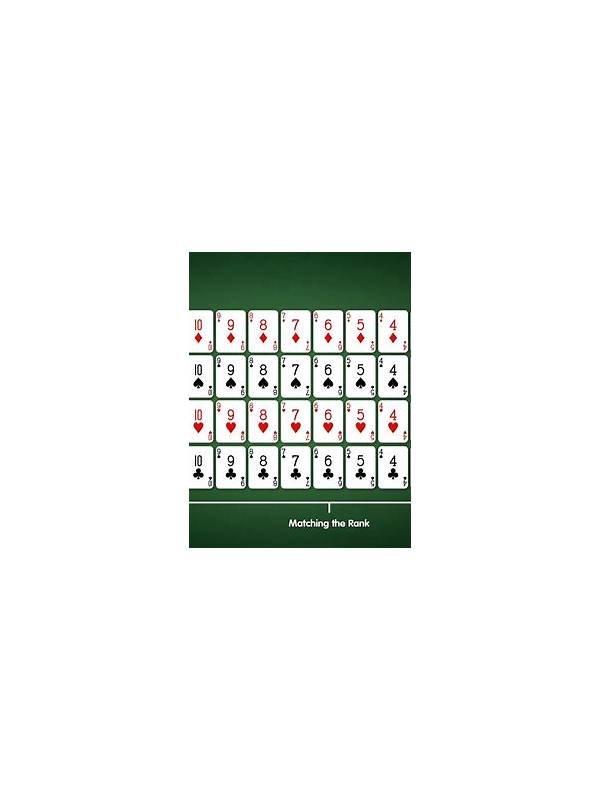
Picking a card can change how you view the hand, and most rummy formats allow you to rearrange cards before the next required action. You may move a card from one tentative group to another, break a pair, or place a new card beside a possible sequence. What you may not do depends on the format and the interface, so the table instructions should be your final reference.
The important distinction is between planning and committing. A visual group on your screen may be only a sorting choice. A discard, declaration, or confirmation button may complete an action that cannot be undone. Before committing, check whether every intended card is included, whether a joker is being used legally, and whether a required pure sequence still exists.
Some apps automatically lock a meld when you place it in a declaration area. Others let you edit until you press confirm. Do not assume that a drag gesture has the same meaning everywhere. During practice, test the interface with no financial consequence and read its help text. If the timer is short, prepare a safe verification order in advance.
When you pick a new card, avoid rebuilding the hand around it immediately. First compare the new card with the plan you already had. Does it complete a group, create a better bridge, or merely look interesting? If it improves one meld but breaks a required structure elsewhere, the apparent change may be harmful. Rearrangement is useful when it clarifies roles, not when it produces the most attractive display.
If you are unsure whether a previous action can be changed, pause and consult the written rules or verified support before continuing. Do not rely on another player’s certainty. A brief rules check is cheaper than an invalid declaration. Treat each action as reversible only until the interface and format clearly say otherwise.
If you make an accidental move, do not hide the problem by clicking rapidly. Look for an undo control, read the confirmation text, and note whether the timer continues while the layout is being edited. In a casual practice setting, ask a neutral question about the interface rather than accepting a confident guess. For a disputed action, save official help text and the event time, but redact usernames and personal details before sharing anything. This habit is useful even when no dispute occurs. It separates a harmless visual rearrangement from an action that changes the game state, which makes both your play and your later questions more precise.