Rummy Practice: Replay a Hand with Hidden Information
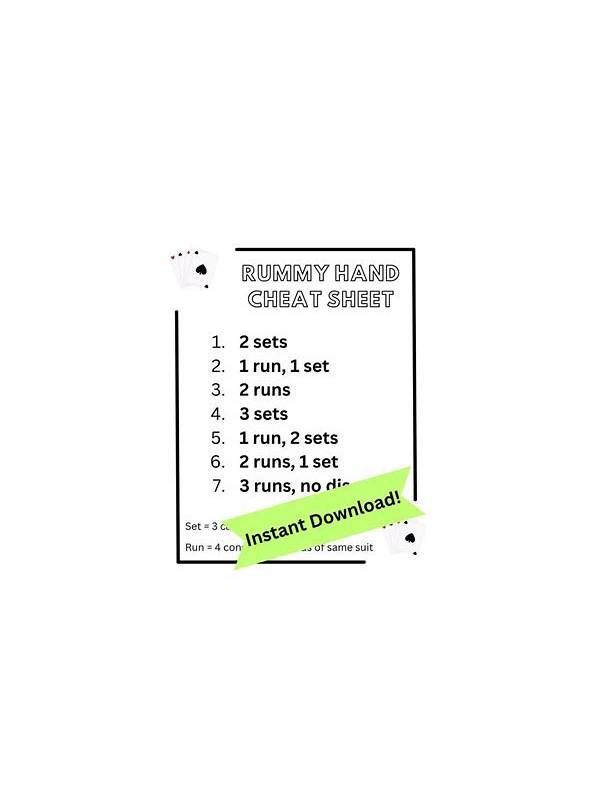
A replay is most useful when it preserves the uncertainty you had during the original hand. If you immediately inspect every opponent card and the final winning route, you may learn the answer rather than the decision process. A hidden-information replay asks what a careful player could reasonably know at each moment.
Choose one completed hand and record the visible sequence of draws, discards, and your actions. Cover any cards that were unknown during play. At each turn, pause before revealing the next event and write two possible actions. For each action, note the immediate benefit, the useful cards it accepts, and the cost if the next draw is unhelpful.
Do not grade yourself only by whether the recorded winner chose the same move. A sound decision can lose because the draw was unfavorable, while a weak decision can succeed by chance. Grade the quality of the information used, the legality of the plan, and the number of recovery options left afterward.
After completing the uncertainty pass, reveal the hidden cards and compare them with your notes. Look for calibration errors. Did you treat a remote possibility as a certainty? Did you overlook a simple alternative because one card attracted your attention? Did you keep a plan beyond its useful life? These questions produce better lessons than “I should have known.”
Finish by selecting one small experiment for a future hand, such as listing two discard candidates before choosing or setting an expiry time for a weak pair. Keep the experiment narrow so you can observe its effect. A replay should improve your process under incomplete information, not encourage hindsight or make you believe that every lost hand was avoidable.
You can make the exercise more realistic by using a time limit slightly shorter than your normal review time, then repeating the hand with a slower limit. Compare the quality of the explanation, not just the chosen move. If reasoning becomes vague under pressure, practice sorting and naming roles before practicing speed. Keep the replay private when it contains other players’ identifiers or account details. The useful record is decision logic, not anyone’s identity or the result used to entertain an audience. One replay per session is enough. Repeating the same hand until you find a perfect line can create a false sense of certainty. Stop when you can state the main trade-off and name one process change worth testing.